check_circle error info report
shopping_bag 0
shopping_bag 0

Cart (0)

Plus que £49.00 GBP et la livraison en France est offerte !

Livraison en France

Your cart is empty

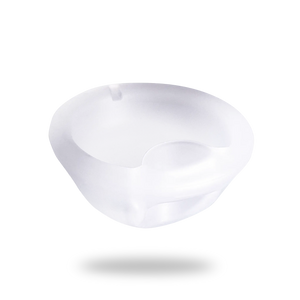
  • La Cup Luneale Luneale

    La Cup Luneale

    £22
    keyboard_arrow_down
  • Comparison of intimate soaps for cleaning a menstrual cup based on their pH and composition.

    Which Soap Should You Use to Wash Your Menstrual Cup?

  • You think you're doing the right thing by washing your cup with your usual intimate gel or a bar of natural soap? Think again.

    A menstrual cup is not an external skin surface. It is inserted inside the vagina. Any product used to clean it can leave residue that will come into direct contact with your internal mucous membrane. The choice of cleanser is not trivial: it must respect a precise pH and have an irreproachable ingredient list.

    1- The Science of pH: Why Your Regular Soaps Are a Problem

    pH (potential of hydrogen) measures acidity. It is the key to your intimate balance.

    Body Area Normal pH Risk if Disrupted
    Skin (Vulva) 5 to 8 External irritation.
    Vagina (Internal) 3.8 to 4.5 This is the critical zone. If pH rises (becomes alkaline), harmful bacteria proliferate (Bacterial Vaginosis, Yeast Infections).

    The problem: Most soaps (Marseille, Aleppo) have a highly alkaline pH (around 9–10). Washing your cup with them leaves an alkaline film that, once inside the vagina, attacks your Lactobacilli (the guardians of your vaginal microbiome).
    👉 The goal: Use a cleanser with an acidic pH (around 5 to 5.5) to respect the vagina's natural acidity.

    Comparative chart of pH    
  levels of intimate cleansers

    2- Comparison: How Do Market Intimate Gels Rate? (INCI Scores)

    We analysed the best-selling intimate gels from pharmacies and supermarkets using the independent app INCI Beauty. The results are clear.

    Product INCI Score Ingredient Analysis
    Lactacyd
    Intimate Gel
    🔴 1/20 Contains formic acid (at-risk ingredient) and multiple irritating sulfates (SLS). Highly synthetic formula.
    Cavaillès
    Extra Gentle
    🔴 2.4/20 Contains DMDM Hydantoin (formaldehyde-releasing preservative) and petroleum-derived PEGs.
    Intima
    Daily Gel
    🟠 6.4/20 Contains sulfates, EDTA (environmental pollutant) and unnecessary synthetic colorants.
    Hydralin
    Daily
    🟡 12.8/20 Better, but still contains PEGs and EDTA.
    La Mousse Luneale 🟢 16.8/20 Certified Organic. 96% natural ingredients. No at-risk or controversial ingredients.

    3- Ingredients to Avoid for Your Cup

    Beyond health concerns, certain ingredients physically damage your silicone cup:

    • Oils (and superfatted soaps): Fat coats the silicone and creates a film that traps odours and bacteria.
    • Fragrances: A major source of allergic reactions on mucous membranes.
    • Exfoliating particles (scrubs): They scratch the surface of the cup, creating microscopic grooves where bacteria can harbour.

    4- The Luneale Solution: Why La Mousse Is Different

    We refused to choose between effectiveness and health. So we created our own standard:

    • pH 5.5: Perfectly matched to the vaginal flora and Lactobacilli.
    • Oil-free and soap-free: Rinses off completely without leaving a greasy film on the cup.
    • Foam texture: Reaches every surface (air holes, ridges) without scrubbing.
    • Organic & Made in France: Because that is our commitment.

    Further reading on cup care:

    You think you're doing the right thing by washing your cup with your usual intimate gel or a bar of natural soap? Think again.

    A menstrual cup is not an external skin surface. It is inserted inside the vagina. Any product used to clean it can leave residue that will come into direct contact with your internal mucous membrane. The choice of cleanser is not trivial: it must respect a precise pH and have an irreproachable ingredient list.

    1- The Science of pH: Why Your Regular Soaps Are a Problem

    pH (potential of hydrogen) measures acidity. It is the key to your intimate balance.

    Body Area Normal pH Risk if Disrupted
    Skin (Vulva) 5 to 8 External irritation.
    Vagina (Internal) 3.8 to 4.5 This is the critical zone. If pH rises (becomes alkaline), harmful bacteria proliferate (Bacterial Vaginosis, Yeast Infections).

    The problem: Most soaps (Marseille, Aleppo) have a highly alkaline pH (around 9–10). Washing your cup with them leaves an alkaline film that, once inside the vagina, attacks your Lactobacilli (the guardians of your vaginal microbiome).
    👉 The goal: Use a cleanser with an acidic pH (around 5 to 5.5) to respect the vagina's natural acidity.

    Comparative chart of pH    
  levels of intimate cleansers

    2- Comparison: How Do Market Intimate Gels Rate? (INCI Scores)

    We analysed the best-selling intimate gels from pharmacies and supermarkets using the independent app INCI Beauty. The results are clear.

    Product INCI Score Ingredient Analysis
    Lactacyd
    Intimate Gel
    🔴 1/20 Contains formic acid (at-risk ingredient) and multiple irritating sulfates (SLS). Highly synthetic formula.
    Cavaillès
    Extra Gentle
    🔴 2.4/20 Contains DMDM Hydantoin (formaldehyde-releasing preservative) and petroleum-derived PEGs.
    Intima
    Daily Gel
    🟠 6.4/20 Contains sulfates, EDTA (environmental pollutant) and unnecessary synthetic colorants.
    Hydralin
    Daily
    🟡 12.8/20 Better, but still contains PEGs and EDTA.
    La Mousse Luneale 🟢 16.8/20 Certified Organic. 96% natural ingredients. No at-risk or controversial ingredients.

    3- Ingredients to Avoid for Your Cup

    Beyond health concerns, certain ingredients physically damage your silicone cup:

    • Oils (and superfatted soaps): Fat coats the silicone and creates a film that traps odours and bacteria.
    • Fragrances: A major source of allergic reactions on mucous membranes.
    • Exfoliating particles (scrubs): They scratch the surface of the cup, creating microscopic grooves where bacteria can harbour.

    4- The Luneale Solution: Why La Mousse Is Different

    We refused to choose between effectiveness and health. So we created our own standard:

    • pH 5.5: Perfectly matched to the vaginal flora and Lactobacilli.
    • Oil-free and soap-free: Rinses off completely without leaving a greasy film on the cup.
    • Foam texture: Reaches every surface (air holes, ridges) without scrubbing.
    • Organic & Made in France: Because that is our commitment.

    Further reading on cup care: